

Understanding the psychological triggers that drive gambling behavior
The Allure of Risk and Reward
The thrill of gambling stems from the psychological interplay between risk and reward. This dynamic can evoke a strong emotional response, with the potential for significant wins eliciting excitement and optimism. Players often find themselves drawn to the uncertainty inherent in games of chance, where each roll of the dice or spin of the wheel embodies a tantalizing possibility. If you want to explore more about secure platforms, try here to enhance your understanding. This psychological trigger harnesses the brain’s reward system, particularly the release of dopamine, making the experience highly addictive.

Moreover, the anticipation leading up to the outcome can amplify emotions, creating a euphoric environment. As players engage in gambling activities, they often experience a “near-miss” effect, where they come close to winning but fall short. This scenario can be particularly compelling, as it can encourage continued play, leading individuals to believe that victory is just one more bet away. The combination of risk, reward, and the anticipation of winning can create a powerful psychological loop that fosters persistent gambling behavior.
Understanding this allure is crucial for recognizing why individuals might gamble despite potential losses. The psychological desire for control, combined with the excitement of chasing wins, creates an environment where rational judgment is often clouded. This results in a cycle of playing, losing, and betting more, all fueled by the hope of hitting that jackpot. As we explore further, it becomes apparent that various additional psychological triggers play a significant role in gambling behavior.
The Influence of Social Factors
Social influences are significant in driving gambling behavior, as they create a sense of community and belonging among players. Group dynamics can play a vital role in shaping one’s gambling habits, with friends or family members often serving as both supporters and catalysts for engaging in gambling activities. The social aspect can create a celebratory atmosphere, enhancing the enjoyment of the experience. This sense of camaraderie can lead individuals to gamble more than they might otherwise, as the shared experience often amplifies the thrill.
In addition, peer pressure and social norms can further complicate the landscape of gambling behavior. For instance, when individuals observe their peers winning or enjoying gambling, they may feel compelled to participate, believing it is a socially acceptable activity. Moreover, social media can perpetuate this cycle, as individuals often showcase their wins, inadvertently promoting gambling as a glamorous lifestyle choice. These factors contribute to a broader acceptance of gambling within certain social circles, further driving individuals toward these activities.
Additionally, the availability of online gambling platforms has broadened the social environment around gambling. Players can connect with others worldwide, share experiences, and engage in competitive play. This online community can encourage individuals to gamble more frequently, reinforcing the behavior through social validation. As the social triggers of gambling become more apparent, it’s essential to recognize how they can lead individuals into potentially risky gambling patterns.
The Role of Cognitive Biases
Cognitive biases significantly impact gambling behavior, shaping how individuals perceive outcomes and make decisions. One common bias is the illusion of control, where players mistakenly believe they have influence over random events, such as card shuffling or dice rolling. This belief can lead to overconfidence in one’s abilities, prompting more frequent betting. Players may feel that their skills or strategies can affect the outcome, creating an illusion that winning is within their grasp.
Additionally, the gambler’s fallacy plays a crucial role in influencing decisions. This cognitive distortion occurs when individuals believe that past events will impact future outcomes in random games. For example, a player may think that a certain number is “due” to win after a series of losses, prompting them to place more bets based on this erroneous belief. Such biases can cloud judgment, leading to increased gambling activity despite mounting losses.
Understanding these cognitive biases highlights the importance of awareness in gambling behavior. When individuals are educated about these psychological triggers, they can begin to recognize when their thinking is skewed, empowering them to make more rational decisions. In this way, addressing cognitive biases can be an essential step in fostering responsible gambling habits and mitigating the risk of addiction.
The Impact of Marketing and Environment
The environment in which gambling occurs can significantly influence behavior. Casinos and online gambling platforms are designed to create an immersive experience, often using bright lights, engaging sounds, and enticing visuals. This sensory stimulation can heighten arousal and excitement, making it easier for individuals to lose track of time and money while gambling. The atmosphere is crafted to keep players engaged, which can lead to prolonged gambling sessions and increased spending.
Moreover, marketing strategies employed by gambling establishments play a vital role in shaping perceptions of gambling. Promotional campaigns that highlight winners and showcase extravagant lifestyles can create an illusion of accessibility to wealth and success. These messages can seduce potential gamblers, enticing them to try their luck in hopes of experiencing similar fortunes. The framing of gambling as a form of entertainment further normalizes the behavior, making it a socially acceptable activity.
Understanding these environmental and marketing influences can provide valuable insights into the gambling experience. By recognizing how surroundings and advertisements can manipulate perceptions, individuals can be better equipped to approach gambling with caution. This awareness is crucial in fostering a healthier relationship with gambling and ensuring that it remains a form of entertainment rather than a detrimental activity.
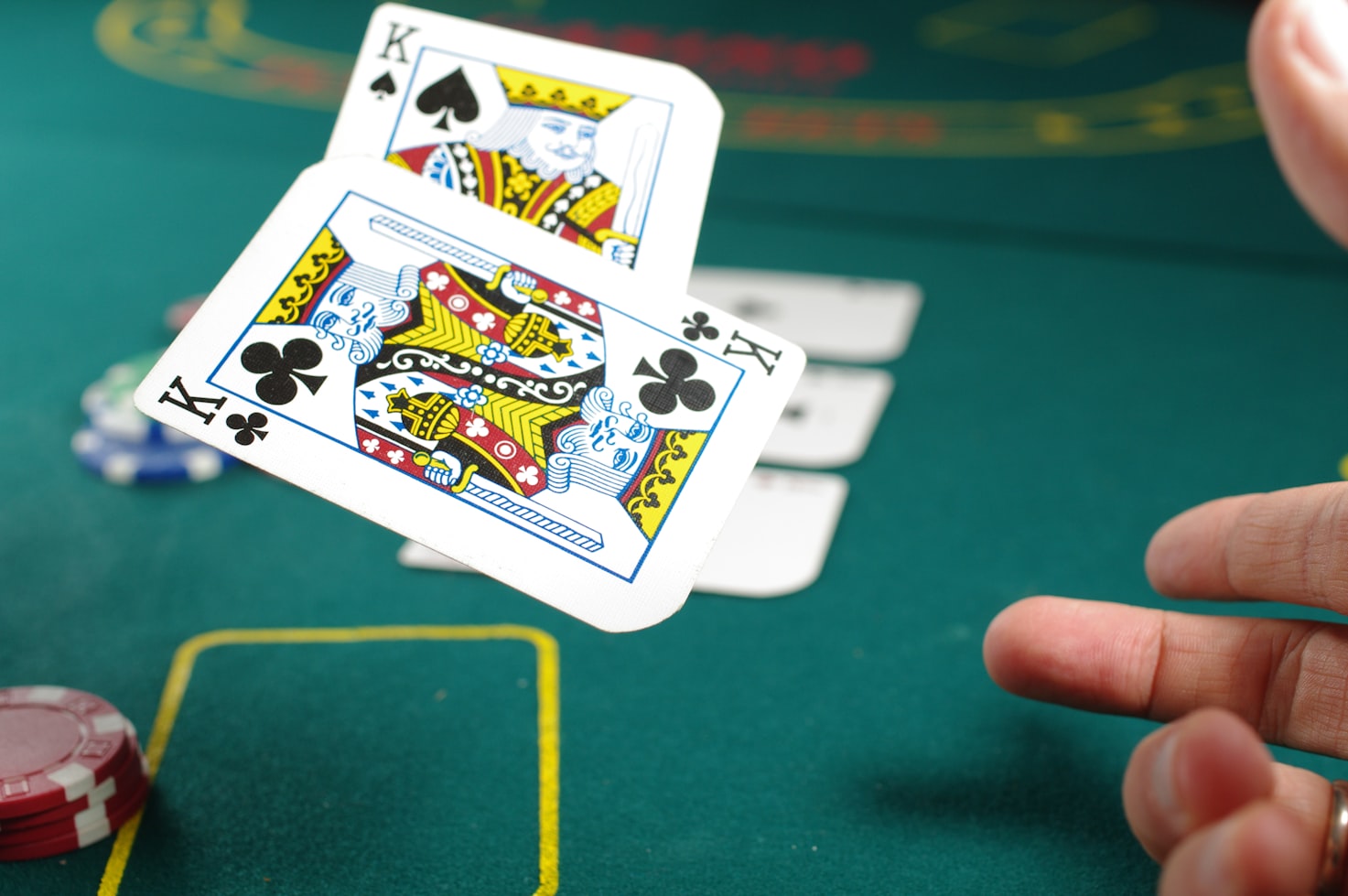
Explore Safe Gambling with Our Comprehensive Guide
As we delve deeper into the psychology behind gambling behavior, it becomes increasingly important to prioritize safe gambling practices. Our comprehensive guide aims to provide valuable insights and resources for individuals looking to engage responsibly in gambling activities. By understanding the psychological triggers that drive gambling behavior, players can make more informed decisions and minimize risks associated with gambling.
We offer a curated list of top-rated online casinos that prioritize safety and user experience. These platforms not only provide a variety of games but also implement strict security measures, ensuring a safe environment for all players. Our guide is designed to empower users to compare features and find the perfect fit, ensuring that their gambling experience is enjoyable and secure.
By educating yourself on both the psychological aspects and the safety measures available, you can embark on your gambling journey with confidence. With the right knowledge and tools at your disposal, you can enjoy the excitement of gambling while safeguarding your well-being. Explore our resources today and make responsible gambling a part of your gaming experience.