

Understanding gambling addiction A guide to awareness and support
What is Gambling Addiction?
Gambling addiction, often referred to as compulsive gambling or gambling disorder, is a behavioral addiction characterized by an uncontrollable urge to gamble despite the negative consequences. This addiction can lead to severe financial problems, relationship issues, and mental health disorders. Individuals may find themselves increasingly drawn to gambling, such as while playing an Astronaut game, as a means of coping with stress, anxiety, or depression, which can create a vicious cycle that is difficult to break.

Understanding gambling addiction is crucial for awareness and intervention. Many individuals may not recognize the symptoms or may dismiss their behavior as a simple hobby. However, recognizing the signs early can lead to timely support and intervention, preventing further escalation of the addiction.
Causes of Gambling Addiction
The causes of gambling addiction are complex and can vary from person to person. Psychological factors play a significant role; individuals with a predisposition to other forms of addiction, anxiety disorders, or mood disorders may be more susceptible to developing a gambling problem. Additionally, environmental factors such as exposure to gambling at an early age, peer pressure, and societal acceptance of gambling can contribute to the development of this addiction.
Biological factors also influence gambling addiction. Research has indicated that certain brain chemicals associated with pleasure and reward may be affected in those with gambling disorders. This means that gambling can activate the brain’s reward system similarly to drugs or alcohol, making it challenging for individuals to resist the urge to gamble even when they know the potential repercussions.
Signs and Symptoms of Gambling Addiction
Identifying the signs and symptoms of gambling addiction is essential for seeking help. Common indicators include preoccupation with gambling, a need to bet increasing amounts of money, and unsuccessful attempts to control or reduce gambling behavior. Additionally, individuals may experience withdrawal symptoms when not gambling, such as irritability, restlessness, or anxiety.
Another critical sign is the impact of gambling on daily life. If gambling begins to interfere with personal relationships, work responsibilities, or financial stability, it may indicate a serious problem. Recognizing these symptoms early can facilitate access to necessary support and treatment, which can significantly improve the chances of recovery.
Support and Treatment Options
There are various support and treatment options available for individuals struggling with gambling addiction. Therapy, such as cognitive-behavioral therapy, has proven effective in helping individuals recognize the behaviors and thought patterns associated with their gambling. Support groups, like Gamblers Anonymous, provide a community-based approach where individuals can share their experiences and learn from others facing similar challenges.
In some cases, medication may also be prescribed to manage underlying mental health issues or to help control impulses associated with gambling. The combination of therapy, support groups, and possibly medication creates a comprehensive approach to recovery, tailored to meet the individual’s needs.
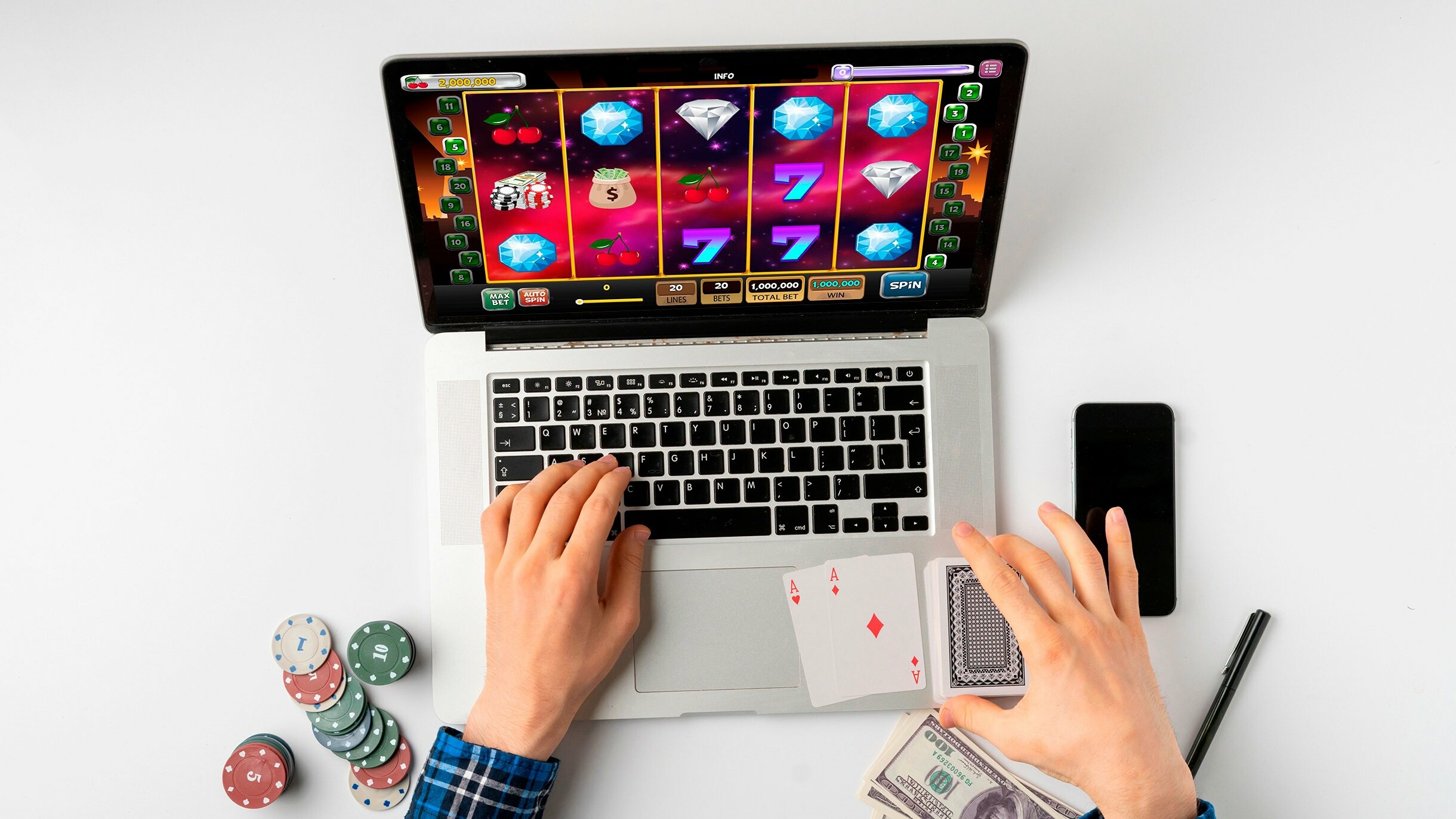
Responsible Gaming and Support Resources
Promoting responsible gaming practices is vital in combating gambling addiction. Many online gaming platforms and casinos now offer tools to help players monitor their gambling habits, set limits on deposits and losses, and take breaks when needed. Awareness initiatives aim to educate individuals about the risks associated with gambling and encourage healthier behaviors.
If you or someone you know is struggling with gambling addiction, seeking help is crucial. Numerous resources and organizations are dedicated to providing support, information, and treatment options. Understanding the importance of awareness and support can lead to a path toward recovery and a healthier lifestyle.